RBI oil dollar window is a new initiative aimed at stabilizing the rupee’s value against the dollar. This move comes as the central bank tightens forex trades to address the ongoing slide of the Indian currency.
Understanding the RBI’s New Policy
The Reserve Bank of India (RBI) has introduced the oil dollar window as part of its strategy to stabilize the Indian rupee amidst ongoing volatility in foreign exchange markets. This new policy aims to facilitate oil imports by allowing oil companies to buy dollars directly from the RBI, ensuring a smoother flow of foreign currency in the market.
By implementing this mechanism, the RBI intends to reduce pressure on the rupee, which has faced significant depreciation against major currencies. The oil dollar window is expected to provide greater liquidity for oil firms, allowing them to manage their dollar needs more effectively.
Key aspects of the RBI’s new policy include:
- Direct Access to Forex: Oil importers can directly access the dollar through the RBI, minimizing reliance on the open market.
- Stabilizing the Rupee: By controlling the flow of dollars, the RBI aims to curb excessive volatility and support the currency’s value.
- Impact on Forex Trades: The RBI has also tightened regulations on forex trades to prevent speculative activities that could further weaken the rupee.
This initiative is seen as a critical step in addressing the challenges faced by the Indian economy, ensuring that the rupee remains resilient in the face of global financial pressures.
Impact of Forex Trade Tightening
The recent measures introduced by the Reserve Bank of India (RBI) to open the oil dollar window and tighten forex trade regulations have significant implications for the Indian economy. As the rupee continues to face downward pressure, these steps aim to provide a more stable environment for foreign exchange transactions.
Key impacts of the forex trade tightening include:
- Reduction in volatility: By regulating forex trades, the RBI seeks to minimize fluctuations in the rupee’s value, fostering a sense of stability among investors and traders.
- Enhanced liquidity: The oil dollar window allows oil importers to purchase dollars at a more favorable rate, ensuring that they can meet their obligations without causing panic in the forex market.
- Support for the current account: By encouraging the use of dollars for oil imports, the RBI aims to mitigate the widening current account deficit, which has been a significant concern for policymakers.
- Investor confidence: With a clear strategy in place, market participants may feel more confident in the rupee’s future, potentially leading to increased foreign investment inflows.
Overall, the RBI oil dollar window represents a proactive approach to stabilize the rupee while addressing the challenges posed by rising oil prices and global economic uncertainties.
How the Oil Dollar Window Works
The RBI oil dollar window is designed to facilitate the purchase of crude oil by Indian refiners while stabilizing the Indian rupee against the dollar. This mechanism allows oil importers to obtain dollars directly from the Reserve Bank of India (RBI), thereby reducing reliance on the forex market and minimizing volatility in exchange rates.
Here’s how the oil dollar window works:
- Direct Access: Indian oil importers can access dollars directly from the RBI at a predetermined exchange rate, which helps ensure that they are shielded from sudden fluctuations in the forex market.
- Stabilization of the Rupee: By providing this window, the RBI aims to reduce the pressure on the rupee, which has been under strain due to rising crude oil prices and a widening trade deficit.
- Streamlined Transactions: The oil dollar window simplifies transactions for refiners, allowing them to focus on their core operations rather than managing currency risks.
- Increased Transparency: This initiative enhances transparency in the oil purchasing process, as the RBI monitors transactions to ensure compliance with the new policy guidelines.
Overall, the RBI oil dollar window serves as a strategic tool to navigate the complexities of global oil markets while supporting the Indian economy and stabilizing the rupee.
Future Implications for the Rupee
The recent introduction of the RBI oil dollar window signifies a strategic move to stabilize the Indian rupee amidst ongoing economic challenges. This policy not only aims to address immediate concerns related to currency depreciation but also carries potential long-term implications for the Indian economy.
Firstly, the oil dollar window could enhance liquidity in the foreign exchange market, allowing smoother transactions for oil imports, which are crucial for India given its heavy reliance on petroleum products. By facilitating easier access to dollars for oil purchases, the RBI is potentially reducing volatility in the currency market.
Secondly, this initiative may bolster investor confidence. As the government and the RBI take proactive measures to manage currency fluctuations, foreign investors might view India as a stable investment destination. This could lead to increased foreign direct investment (FDI), which is vital for economic growth.
Moreover, the effectiveness of the oil dollar window may influence India’s trade balance. With a more stable rupee, the cost of imports and exports could stabilize, leading to better trade dynamics.
In conclusion, while the immediate effects of the RBI oil dollar window are already being observed, its long-term implications could reshape the economic landscape, fostering a more resilient rupee and promoting sustainable growth in the future.
The RBI oil dollar window has been introduced as a strategic measure to enhance liquidity in the foreign exchange market. By utilizing the RBI oil dollar window, the government aims to curb excessive volatility in the value of the rupee.
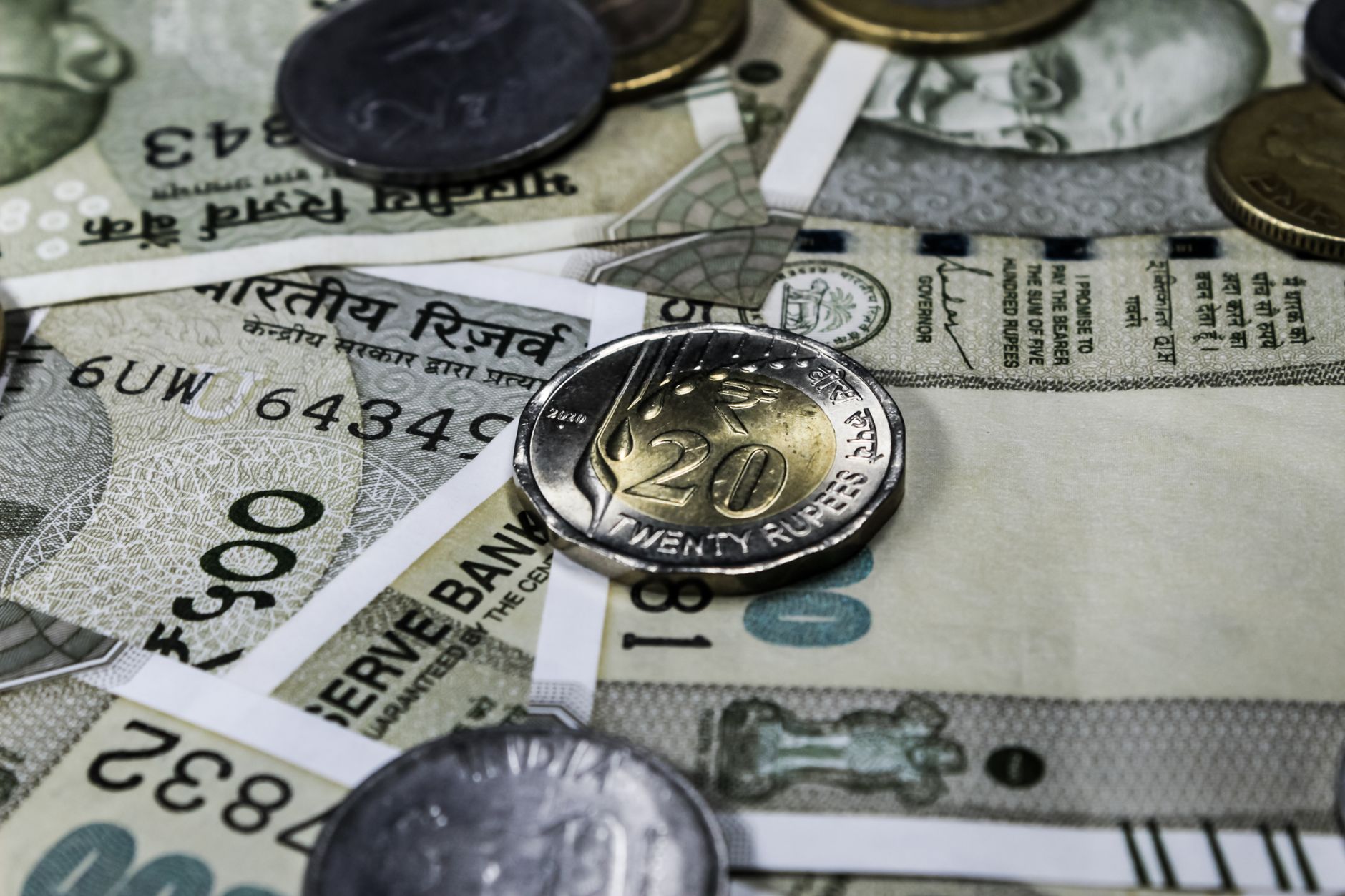
Photo by Ravi Roshan on Pexels