

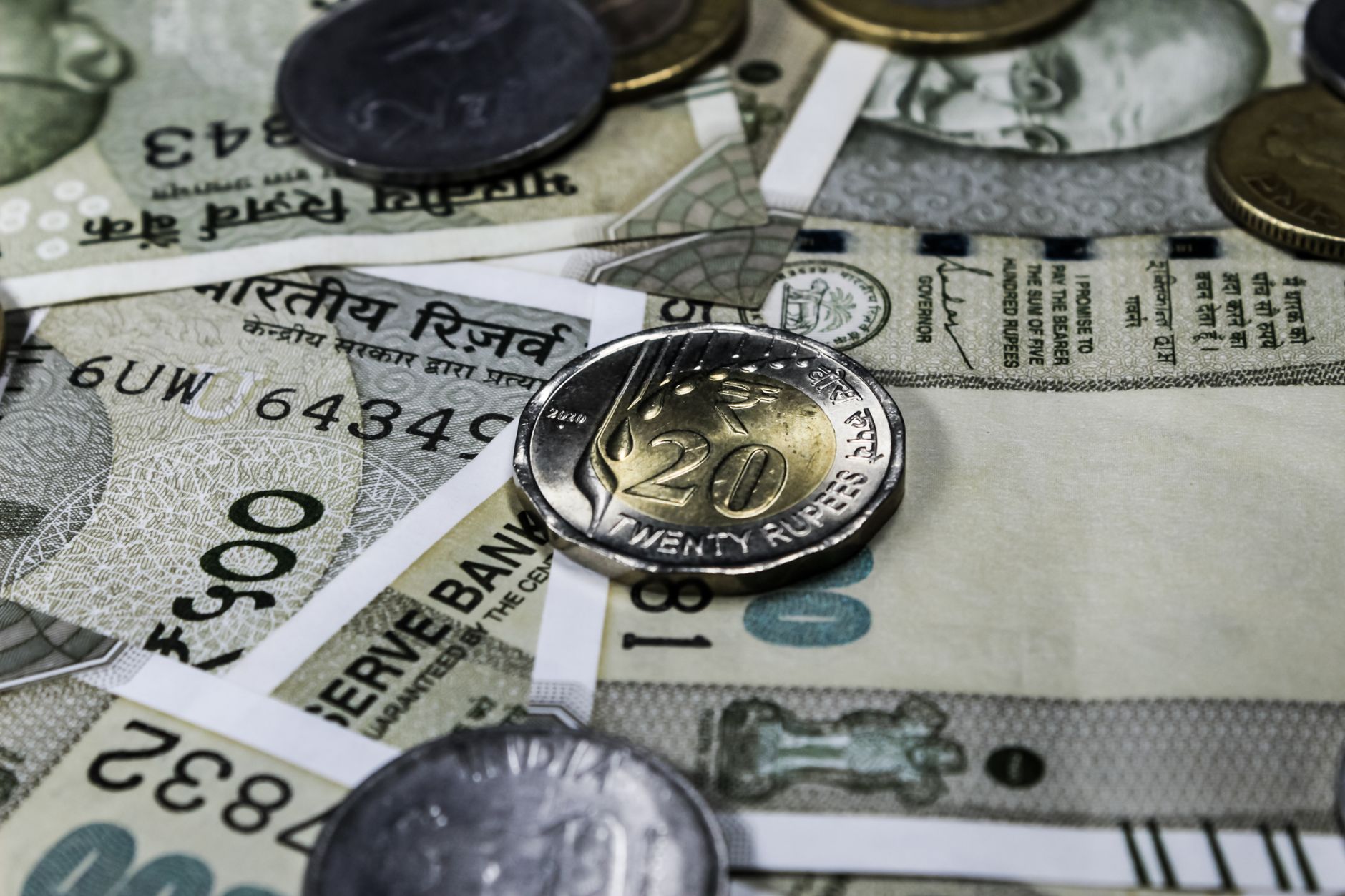
RBI Repo Rate 2026 is under scrutiny as reports suggest two more rate hikes are likely due to rising inflation risks. This development has significant implications for the banking sector.
Understanding the RBI Repo Rate
The Reserve Bank of India (RBI) plays a crucial role in managing the country’s monetary policy, primarily through the adjustment of the repo rate. The repo rate is the rate at which the RBI lends money to commercial banks, serving as a vital tool to control inflation and stabilize the economy. As inflation risks escalate, understanding the implications of the RBI repo rate becomes increasingly important.
In 2026, forecasts suggest that the RBI repo rate may see further hikes in response to persistent inflationary pressures. The central bank aims to ensure that price stability is maintained, which is essential for sustainable economic growth. When inflation rises, the RBI may increase the repo rate to make borrowing more expensive, thereby curbing consumer spending and investment.
Several factors contribute to the decision-making process regarding the RBI repo rate, including:
- Inflation Trends: Ongoing assessments of inflation data help the RBI anticipate necessary adjustments.
- Global Economic Conditions: International events can impact domestic inflation and influence repo rate decisions.
- Market Expectations: The reactions of financial markets to potential rate changes are closely monitored.
As we approach 2026, the RBI repo rate will remain a pivotal focus for economists and investors alike, reflecting the broader economic outlook and inflation risks.
Current Inflation Trends
The current landscape of inflation in India has raised significant concerns among economists and policymakers alike. As we approach 2026, the Reserve Bank of India’s (RBI) repo rate is expected to undergo further adjustments in response to these inflationary pressures. Recent reports indicate that rising costs of essential commodities, along with supply chain disruptions, are contributing to a persistent inflation trend that shows no signs of abating.
Experts have identified several key factors influencing this inflation trend:
- Rising Energy Prices: Fluctuations in global oil markets have led to increased transportation and production costs.
- Food Supply Chain Issues: Adverse weather conditions and logistical challenges have impacted food availability, driving prices higher.
- Increased Consumer Demand: As the economy rebounds from the pandemic, a surge in consumer spending is adding to inflationary pressures.
As a result, the RBI repo rate for 2026 may see two more hikes as the central bank looks to stabilize the economy. The ongoing inflation risks necessitate vigilant monetary policy to ensure that the purchasing power of consumers is not eroded. Stakeholders are closely monitoring these developments, as changes in the RBI repo rate can significantly impact borrowing costs and consumer behavior in the coming years.
Impact of Rate Hikes on Borrowers
The recent adjustments to the RBI Repo Rate 2026 have significant implications for borrowers across various sectors. As the Reserve Bank of India continues to combat rising inflation, the decision to increase rates may affect loan affordability and overall consumer spending.
When the repo rate rises, borrowing costs for banks increase, which is usually passed down to consumers. This can lead to higher interest rates on:
- Home Loans: Borrowers may find their monthly payments increase, potentially limiting their ability to purchase new homes or refinance existing mortgages.
- Personal Loans: Higher rates can deter individuals from taking out personal loans for major expenses, such as education or medical emergencies.
- Business Loans: Small and medium-sized enterprises might face challenges in securing financing, which could stifle growth and innovation.
In addition, the impact of these rate hikes can extend beyond immediate financial concerns. Borrowers may need to reassess their budgets and spending habits, leading to reduced consumer confidence in the economy.
Ultimately, as the RBI Repo Rate 2026 continues to rise, borrowers must stay informed and consider the long-term consequences of these adjustments on their financial health.
Future Projections for Banking Sector
The future projections for the banking sector indicate a period of cautious optimism amid rising inflation risks. As the Reserve Bank of India (RBI) evaluates its monetary policy, experts suggest that the RBI Repo Rate 2026 may reflect a more aggressive stance on interest rates to combat persistent inflation.
Several analysts believe that the following factors will shape the banking landscape in the coming years:
- Inflation Control Measures: Continuous monitoring of inflation will lead to periodic rate hikes, as observed in recent trends.
- Economic Growth: The balance between fostering economic growth and controlling inflation will be critical. A stable economic environment is necessary for effective banking operations.
- Global Economic Influences: External factors, including international commodity prices and geopolitical tensions, will play a significant role in determining the RBI’s decisions.
- Consumer Confidence: Confidence in the banking sector is essential for lending and investment. Rate hikes can affect consumer spending habits.
While the RBI Repo Rate 2026 is expected to rise in response to inflation, the overall impact on the banking sector will depend on how effectively these challenges are managed. Stakeholders are urged to remain vigilant as they navigate this evolving landscape.
Expert Opinions on Rate Decisions
As the Reserve Bank of India (RBI) navigates a landscape marked by fluctuating inflation rates, expert opinions on the RBI Repo Rate 2026 suggest a cautious approach to monetary policy. Analysts emphasize that the risks associated with inflation could lead to further rate hikes in the near future.
Many economists believe that the central bank’s decisions will be heavily influenced by the ongoing inflationary pressures. Dr. Anjali Rao, a noted financial analyst, states, “The RBI Repo Rate 2026 will likely reflect the bank’s commitment to controlling inflation. Given the current trends, we could see two more rate hikes before the year ends.”
Moreover, Mr. Vikram Singh, a senior economist, adds, “With global economic uncertainties, the RBI must balance growth and inflation. A proactive stance on interest rates can help stabilize the economy.”
Experts are particularly concerned about the impact of rising prices on consumer spending and investment. Professor Meera Gupta articulates, “The RBI Repo Rate 2026 will be crucial for maintaining economic stability. Rate hikes are necessary to curb inflation, but they must be carefully timed to avoid stifling growth.”
Overall, the consensus among experts is that the RBI’s upcoming decisions will play a significant role in shaping the economic landscape in 2026.
The RBI Repo Rate 2026 is expected to play a crucial role in stabilizing the economy amidst rising inflation concerns. Analysts predict that the RBI Repo Rate 2026 will be adjusted further if inflationary pressures continue to escalate.
Photo by Ravi Roshan on Pexels