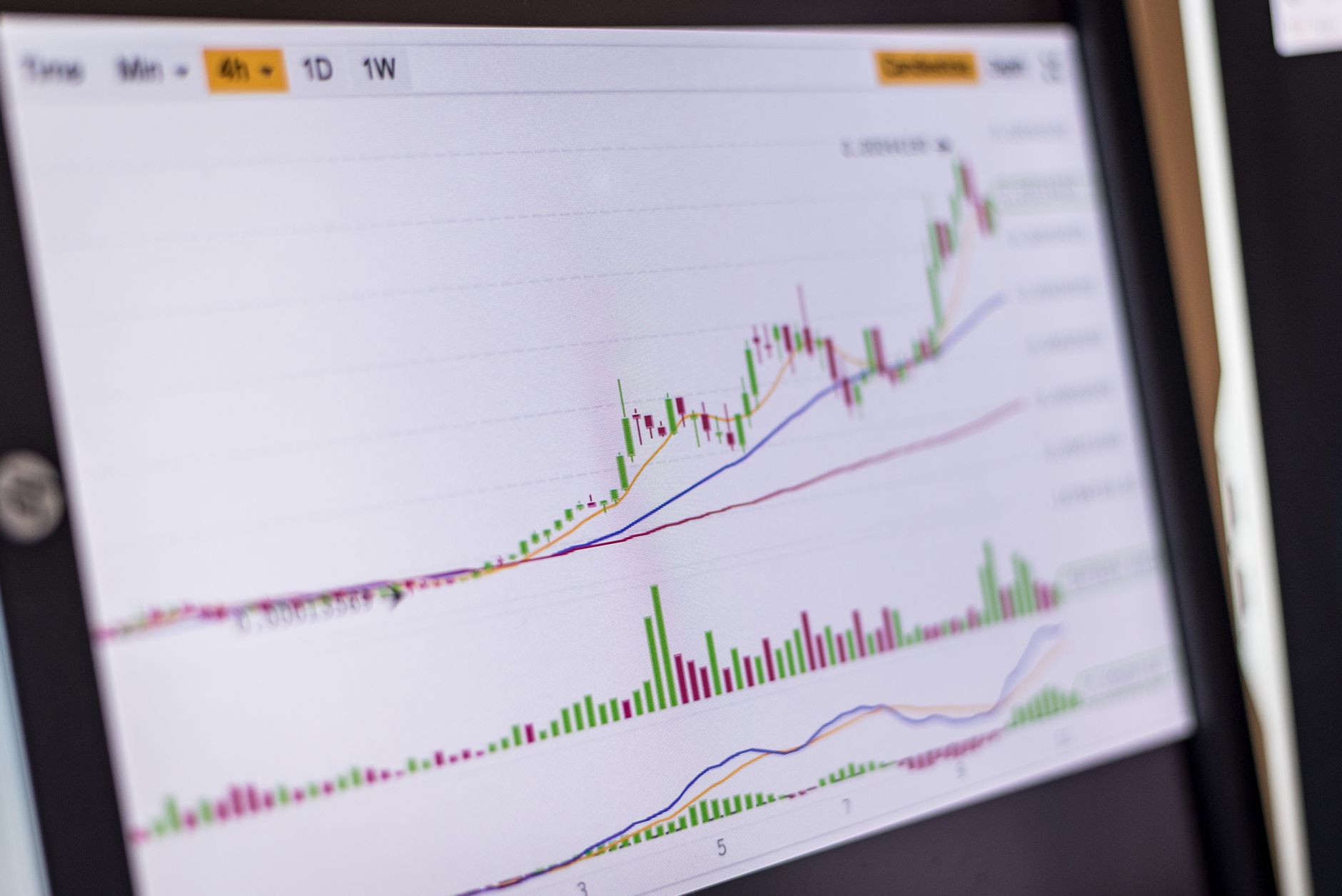
Stock market decline has been evident as the Sensex dips 48 points for the third consecutive day. Investors are feeling the pressure as market volatility continues.
Understanding the Stock Market Decline
The recent stock market decline has left investors on edge, marking a challenging period for financial markets. This downturn is not just a fleeting moment; it has been characterized by a series of consecutive days of losses. The Sensex, a key indicator of market performance, dipped by 48 points, reflecting broader concerns among traders.
Several factors contribute to this decline, including:
- Economic indicators: Recent data suggests a slowdown in growth, prompting fears of a recession.
- Interest rates: Rising rates have made borrowing more expensive, affecting business investments.
- Geopolitical tensions: Ongoing international conflicts have created uncertainty, leading to market volatility.
As the stock market decline continues, investors are advised to closely monitor these developments and consider their strategies moving forward. Staying informed is crucial in navigating these turbulent times.
Reasons Behind the Latest Market Trends
The recent stock market decline has raised concerns among investors as they seek to understand the underlying factors contributing to these trends. Analysts have identified several key reasons for the downturn.
- Economic Uncertainty: Ongoing concerns regarding inflation and interest rates have created a challenging environment for investors, leading to increased volatility.
- Global Events: Tensions in international relations and supply chain disruptions have negatively impacted market confidence, causing sell-offs.
- Corporate Earnings: Recent reports indicating weaker-than-expected earnings from major companies have prompted fears of an economic slowdown.
- Investor Sentiment: A shift in investor sentiment, influenced by fear of recession, has led to a decrease in market activity and heightened sell pressure.
As the stock market decline continues, investors are urged to stay informed and consider long-term strategies to navigate this turbulent period.
Impact of Stock Market Decline on Investors
The recent stock market decline has left many investors grappling with uncertainty and concern. With significant drops in major indices, the effects are felt across various sectors, prompting a reevaluation of investment strategies.
As investors react to the ongoing turbulence, several key impacts are emerging:
- Investor Sentiment: A pervasive sense of anxiety is dominating the market, leading to impulsive selling and heightened volatility.
- Long-term Strategies: Many are reconsidering their portfolios, focusing on diversification to mitigate risks associated with future declines.
- Financial Planning: Advisors are urging clients to maintain a disciplined approach, emphasizing the importance of staying informed amid the chaos.
- Market Opportunities: Conversely, some investors view the stock market decline as an opportunity to acquire undervalued assets for potential long-term gains.
Ultimately, the current climate serves as a reminder of the inherent risks associated with stock market investments.
Future Outlook for Stock Markets
As investors brace for potential volatility, the future outlook for stock markets remains uncertain. The recent stock market decline has raised concerns about ongoing economic stability and growth. Analysts suggest that while short-term fluctuations are common, the long-term trajectory may still depend on several key factors.
Experts point out that monetary policy and geopolitical tensions will play significant roles in shaping market conditions. A careful analysis of these elements could provide insights into whether the current downturn is a temporary setback or a sign of deeper issues.
In addition, investors are encouraged to focus on diversified portfolios and long-term strategies to weather the storm. This approach may help mitigate risks associated with the recent stock market decline and capitalize on future opportunities as the markets stabilize.
Ultimately, staying informed and adaptable will be crucial for navigating the evolving landscape of investments.
By George Hodan via Openverse