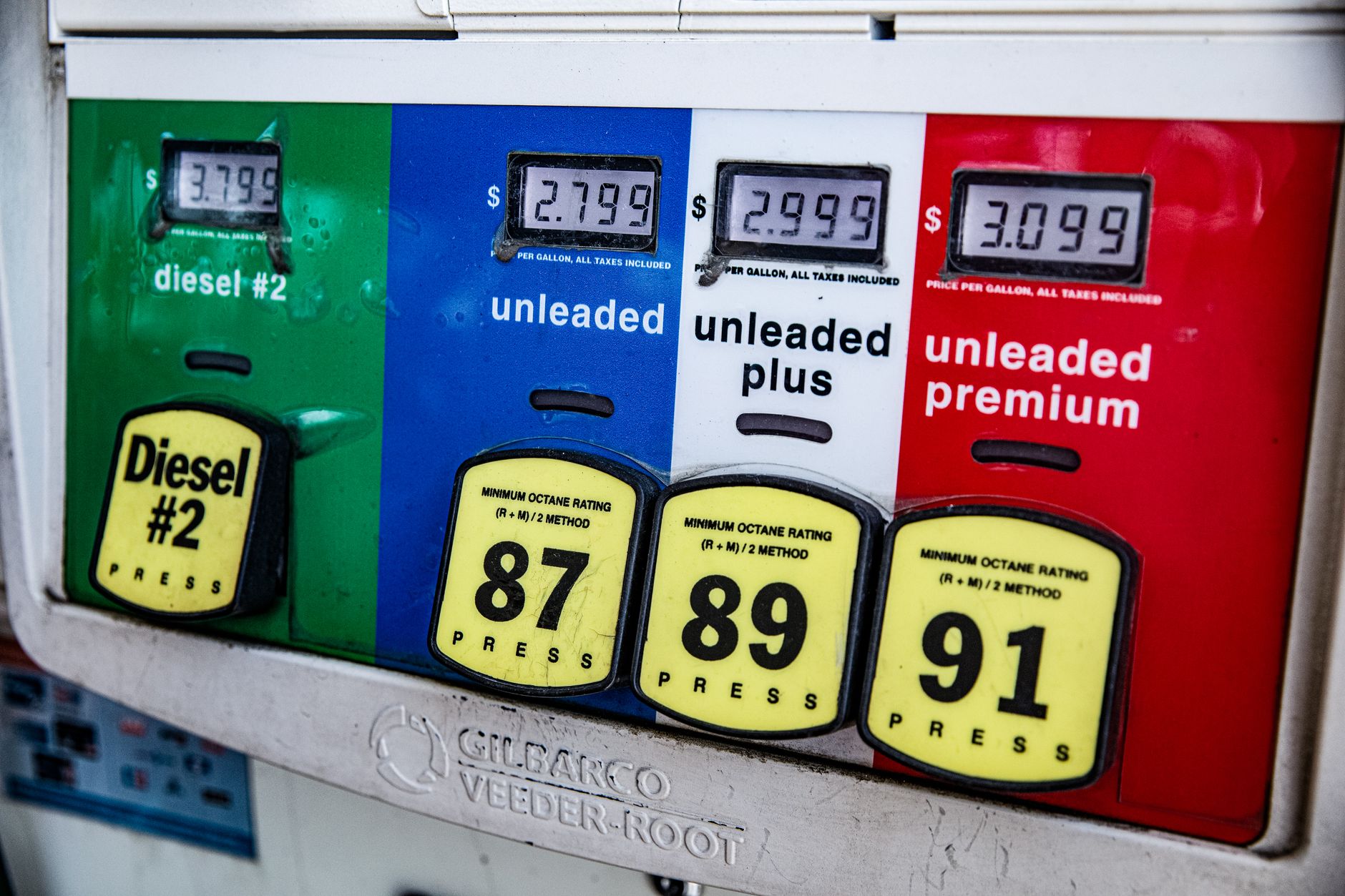
Oil prices outlook is currently being shaped by conflicting factors, including hopes for peace and the escalating risks associated with Iran. This complex situation is affecting global markets.
Current State of Oil Prices
As tensions in the Middle East continue to escalate, the current state of oil prices remains precarious. Recent developments have shown that oil prices are being squeezed between hopes for peace and the looming risks associated with Iranian conflicts. The market is experiencing significant volatility, with investors closely monitoring the situation.
Currently, oil prices have seen fluctuations due to various geopolitical factors. Key points influencing the prices include:
- Iran’s Nuclear Program: Ongoing discussions and potential sanctions create uncertainty in supply.
- Global Demand: Post-pandemic recovery is affecting demand patterns, contributing to price shifts.
- U.S. Production Levels: Changes in domestic oil production impact overall market dynamics.
- OPEC Decisions: The cartel’s production cuts or increases directly influence oil prices.
Analysts warn that the oil prices outlook is heavily reliant on how diplomatic efforts unfold in relation to Iran. Continued tensions could lead to further price spikes, making it crucial for consumers and businesses to stay informed.
Factors Influencing Oil Prices
The outlook for oil prices remains highly influenced by a myriad of factors, particularly in light of escalating tensions in the Middle East. Key contributors include:
- Geopolitical Tensions: Ongoing conflicts, especially those involving Iran, have the potential to disrupt oil supply chains, leading to increased prices.
- Global Demand: As economies recover from the pandemic, demand for oil is surging, contributing to upward pressure on prices.
- Production Levels: Decisions made by OPEC and other oil-producing nations regarding production cuts or increases significantly impact market prices.
- Environmental Policies: Stricter regulations aimed at curbing fossil fuel usage may affect long-term oil supply, altering investor sentiment and pricing.
- Market Speculation: Traders’ perceptions of future events can result in volatility, as they react to news related to Iran and other influencing factors.
In summary, the oil prices outlook is shaped by complex interrelations among these factors, making it essential for investors to stay informed.
Iran’s Role in Oil Market Dynamics
Iran’s position in the global oil market has always been a significant factor affecting oil prices outlook. The nation holds some of the largest oil reserves in the world, making its political stability crucial for both supply and pricing in the oil sector.
Recent tensions surrounding Iran have raised concerns about potential disruptions in oil supply. As geopolitical conflicts escalate, several key factors come into play:
- Sanctions: Continued sanctions against Iran limit its ability to export oil, thereby constricting global supply.
- Military Conflicts: Any military engagement involving Iran risks immediate impacts on oil shipments through critical waterways.
- Market Speculation: Traders often react to news about Iran, leading to fluctuations in oil prices based on perceived risk.
As the situation develops, analysts will closely monitor how Iran’s actions influence the oil market. Understanding Iran’s role is essential for making informed predictions about the oil prices outlook in the coming months.
Global Economic Impacts of Oil Prices
The ongoing tensions in the Middle East, particularly concerning Iran, have significant implications for the global economy and the oil prices outlook. As nations grapple with fluctuating prices, several key economic impacts are becoming increasingly evident.
- Inflationary Pressures: Rising oil prices can lead to increased transportation and production costs, resulting in higher prices for goods and services worldwide. This inflationary trend can strain consumer spending and dampen economic growth.
- Energy Sector Volatility: Oil-dependent countries may experience economic instability as their revenues become unpredictable. This volatility can affect investments and job security within these nations.
- Geopolitical Tensions: Escalating tensions around oil-rich regions can create uncertainty in global markets. Investors often react to such instability by shifting their portfolios, which can further exacerbate price fluctuations.
- Impact on Emerging Markets: Countries that rely heavily on oil imports may face significant challenges, as higher oil prices could worsen trade balances and currency valuations.
In summary, the oil prices outlook remains precarious as the effects of Iran tensions ripple through the global economy.
Future Predictions for Oil Prices
As tensions in Iran continue to escalate, analysts are divided on the future predictions for oil prices. The outlook remains uncertain, with various factors influencing potential price movements.
Many experts believe that if diplomatic efforts fail, oil prices could surge significantly. Key predictions include:
- Potential Price Increases: Some analysts project that oil prices could reach $100 per barrel if conflicts disrupt supply chains.
- Volatility in the Market: The ongoing geopolitical tensions could lead to increased volatility, making it difficult for investors to predict oil prices accurately.
- Demand Fluctuations: Economic recovery in major markets may boost demand, further impacting the oil prices outlook.
- Alternative Energy Sources: A shift towards renewable energy may mitigate some impacts, but immediate effects on oil prices are still expected.
Given these dynamics, stakeholders are closely monitoring developments in the region, as the interplay between peace hopes and escalated tensions will play a crucial role in shaping the future of oil prices.
Strategies for Investors in Oil
As tensions in Iran continue to influence the market, investors are seeking strategies to navigate the fluctuating oil prices outlook. Here are some key approaches:
- Diversification: Investors should consider diversifying their portfolios to mitigate risks associated with oil price volatility. This includes exploring renewable energy stocks and other commodities.
- Hedging: Utilizing options and futures contracts can provide a safety net against unexpected price swings. This strategy allows investors to lock in prices and protect their investments from sudden downturns.
- Market Research: Staying informed about geopolitical developments and their potential impacts on oil prices is crucial. Understanding the nuances of how events in Iran might affect global supply can guide investment decisions.
- Long-term Perspective: While short-term fluctuations may cause anxiety, maintaining a long-term view can help investors ride out volatility and capitalize on eventual rebounds in oil prices.
Implementing these strategies can empower investors to better position themselves amidst the uncertainties affecting the oil prices outlook.
Oil Prices Outlook in India
The outlook for oil prices in India remains precarious as tensions surrounding Iran continue to escalate. With the country being a significant player in the oil market, any disruption can lead to increased volatility in prices. Analysts predict that the worst impacts of these tensions could ripple through the Indian economy, affecting everything from transport costs to consumer goods.
Several factors contribute to the outlook of oil prices in India:
- Dependence on Imports: India imports a substantial amount of its crude oil, making it vulnerable to global price fluctuations.
- Exchange Rate Variability: The weakening of the Indian Rupee against the US Dollar can further exacerbate the cost of imported oil.
- Government Policies: Potential changes in taxation and subsidies could influence domestic prices.
- Global Market Trends: As the global market reacts to Iran’s situation, Indian consumers will feel the effects of rising oil prices.
In summary, the oil prices outlook in India is closely tied to international developments, particularly involving Iran, making it critical for stakeholders to stay informed.
Conclusion on Oil Market Trends
In conclusion, the outlook for oil prices remains precarious as tensions in the Middle East, particularly concerning Iran, continue to create uncertainty in the market. The interplay between geopolitical events and economic indicators has led to a volatile trading environment, making it challenging for investors to predict future price movements.
Several key points summarize the current trends:
- Geopolitical Risk: Ongoing conflicts and diplomatic negotiations involving Iran have the potential to disrupt oil supply, which could drive prices higher.
- Demand Recovery: As global economies emerge from pandemic-related slowdowns, increasing demand for oil is expected to influence prices positively.
- Market Sentiment: Investors are closely monitoring news from the region, which can lead to sharp price fluctuations based on sentiment rather than fundamentals.
- Strategic Approaches: Investors may need to adopt more flexible strategies to navigate the uncertain landscape of oil prices, particularly with Iran’s role in market dynamics.
Overall, the oil prices outlook reflects a complex balance of risks and opportunities that require careful consideration.
The recent developments in the Middle East have significantly altered the oil prices outlook, raising concerns among investors. As tensions escalate, the oil prices outlook indicates potential spikes that could affect global markets.
Photo by Ekaterina Belinskaya on Pexels