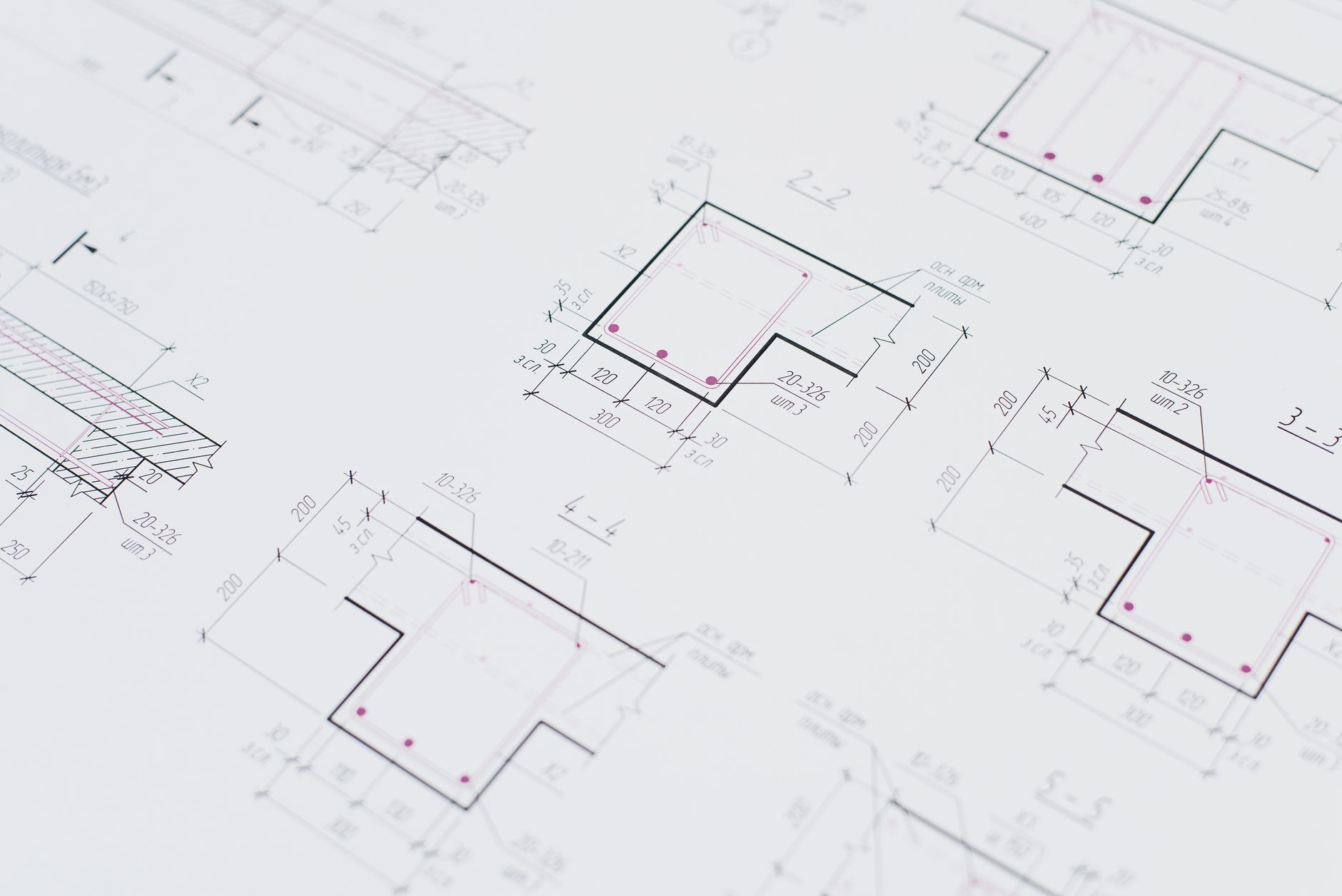
What helps energy organizations maintain efficient, reliable, and well-coordinated operations? Effective engineering leadership combines technical knowledge with practical decision-making, project awareness, communication, and a strong understanding of operational priorities. Throughout a diverse professional career, Robert Stitzel has applied these qualities across facility engineering, reliability, maintenance, operations, project management, and energy company management. This broad experience demonstrates how engineering leadership can connect technical planning with the practical demands of industrial operations.
Contents
- How does technical expertise support better energy performance?
- How can facility improvements contribute to operational efficiency?
- Why is project management important in engineering operations?
- How does reliability engineering improve operational continuity?
- How can standardization strengthen engineering teams?
- What role does leadership play in professional development?
- How are safety and environmental considerations incorporated?
- Conclusion
How does technical expertise support better energy performance?
Energy facilities depend on interconnected systems that must work together consistently. Gathering lines, separators, pumps, compressors, storage equipment, vessels, and process systems all require appropriate engineering consideration. Understanding how these components interact enables engineers to evaluate changing conditions and develop practical solutions.
Facility engineering also requires attention to flow rates, pressure losses, equipment sizing, corrosion, erosion, separation efficiency, and control systems. A technically grounded approach can help organizations improve existing infrastructure while preparing facilities for evolving production requirements.
How can facility improvements contribute to operational efficiency?
Facility optimization involves identifying opportunities to make existing systems more capable, reliable, and adaptable. Modifying storage arrangements, improving separator performance, evaluating recycle systems, upgrading controls, and reviewing gathering infrastructure can all support better facility performance.
The professional experience associated with Robert Stitzel Midland Texas includes working with changing field conditions and adapting facilities to meet operational requirements. This perspective highlights the importance of combining engineering calculations with practical field knowledge when developing facility improvements.
Why is project management important in engineering operations?
Engineering projects require coordination between technical teams, field personnel, construction professionals, financial groups, and other stakeholders. Effective planning helps establish realistic expectations for cost, scheduling, design requirements, and implementation.
Strong cost management is particularly valuable in large engineering organizations. Developing estimating and tracking tools can provide better visibility into project spending and help teams understand where adjustments may be necessary. Consistent communication can also reduce unexpected changes and support smoother execution.
How does reliability engineering improve operational continuity?
Reliable equipment is central to productive energy operations. Proactive reliability programs can help identify equipment conditions before they develop into significant operational problems. Vibration analysis, oil analysis, thermal imaging, and ultrasonic technologies provide useful information for evaluating machinery performance.
Root-cause analysis can further strengthen reliability efforts. Methods such as five-why analysis, fault-tree analysis, fishbone techniques, and structured reliability practices help engineering teams understand underlying problems and develop corrective actions that support long-term equipment performance.
How can standardization strengthen engineering teams?
Standardized engineering resources can make project development more consistent and efficient. Technical libraries, equipment packages, installation drawings, and operating procedures provide teams with practical references that can be adapted to individual project needs.
This type of structure is particularly valuable when engineering departments include professionals at different stages of their careers. Experienced engineers can use standardized resources to support mentoring while helping developing professionals understand established engineering principles and project expectations.
What role does leadership play in professional development?
Engineering leadership extends beyond project execution. Developing people, sharing technical knowledge, and encouraging collaboration are equally important. Mentoring early-career engineers and interns can help build technical confidence and strengthen the overall capabilities of an engineering organization.
A strong learning environment allows professionals to understand how engineering decisions affect operations, safety, budgets, maintenance, and schedules. This broader perspective can help teams make more balanced decisions when handling complex industrial challenges.
How are safety and environmental considerations incorporated?
Responsible engineering requires safety and environmental priorities to remain part of the planning process. Management-of-change procedures, process hazard analysis, preventive maintenance, secondary containment improvements, and reclamation planning can contribute to safer and more responsible facility development.
Considering these factors during design and project execution can help organizations balance operational efficiency with long-term responsibility. It also encourages teams to evaluate potential risks and develop appropriate controls before changes are implemented.
Conclusion
Efficient energy operations are strengthened when technical expertise, reliability practices, project management, cost awareness, and professional development work together. The career perspective of Robert Stitzel illustrates how engineering leadership can connect hands-on experience with broader organizational objectives. By emphasizing practical solutions, disciplined planning, safety, equipment reliability, and team development, this approach demonstrates how experienced engineering leadership can contribute to dependable performance and continuous improvement across modern energy operations.
At a Glance
- Effective engineering leadership in energy organizations combines technical knowledge with practical decision-making and strong communication skills.
- Energy facilities rely on interconnected systems, necessitating engineers to understand the interactions among components like pumps and separators.
- Facility optimization can enhance operational efficiency by modifying storage arrangements and improving separator performance.
- Proactive reliability programs, including techniques like vibration analysis and root-cause analysis, can prevent significant operational issues in energy operations.
- Standardized engineering resources facilitate consistent project development and can aid in mentoring less experienced engineers.
- Incorporating safety and environmental considerations into the engineering planning process is essential for responsible facility development.