

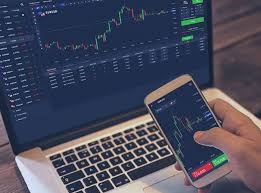
The financial technology landscape is rapidly evolving, driven by innovation, automation, and the growing demand for seamless trading experiences. Businesses and financial institutions are increasingly prioritizing efficiency, scalability, and user-centric design to stay competitive in this dynamic market. In the middle of this transformation, YOONIT trading solution by PLUGIT stands out as a robust framework that empowers organizations to streamline operations and enhance user engagement. As digital trading continues to expand globally, adopting advanced platforms is no longer optional but essential for sustained growth and relevance.
What are the latest trends shaping trading solutions today?
The trading ecosystem is witnessing a strong shift toward cloud-based infrastructures. Reports indicate that over 70% of financial platforms are transitioning to cloud environments to improve speed, flexibility, and cost-efficiency. Additionally, artificial intelligence and machine learning are playing a critical role in predictive analytics, helping traders make informed decisions based on real-time data patterns. Automation is also reducing manual errors and improving operational accuracy across platforms.
How important is user experience in trading platforms?
User experience has become a decisive factor in platform adoption. Statistics suggest that nearly 80% of users abandon platforms that are difficult to navigate or lack intuitive interfaces. Modern trading solutions now emphasize clean dashboards, customizable features, and mobile responsiveness. These enhancements ensure that both beginners and experienced traders can interact with the system efficiently, ultimately improving retention rates and customer satisfaction.
What role does security play in current trading technologies?
Security remains a top priority, with cyber threats becoming increasingly sophisticated. Data shows that financial platforms experience some of the highest rates of cyberattacks globally. As a result, advanced encryption protocols, multi-factor authentication, and real-time monitoring systems are now standard features. Secure trading environments not only protect sensitive user data but also build trust and credibility among clients.
How is data influencing trading strategies?
Data-driven decision-making is transforming the way trading strategies are developed. Approximately 65% of trading firms now rely heavily on big data analytics to identify market trends and opportunities. Real-time data integration allows platforms to deliver actionable insights, enabling users to respond quickly to market fluctuations. This level of intelligence significantly enhances trading outcomes and minimizes risks.
Why is scalability crucial for trading platforms?
Scalability ensures that a platform can handle increased user activity and transaction volumes without compromising performance. Industry reports highlight that scalable systems can improve operational efficiency by up to 40%. As trading volumes continue to grow, platforms must be capable of expanding seamlessly to accommodate future demands. This flexibility is essential for businesses aiming to scale their operations globally.
What are the benefits of automation in trading systems?
Automation is revolutionizing trading by enabling faster execution and reducing human intervention. Studies show that automated trading systems can execute transactions up to 10 times faster than manual processes. This speed advantage is critical in volatile markets where timing can significantly impact profitability. Automation also allows for consistent strategy implementation, reducing emotional biases in decision-making.
How are mobile solutions impacting trading behavior?
Mobile trading is on the rise, with over 60% of users preferring to manage their investments through smartphones. This trend has led to the development of mobile-first platforms that offer full functionality on smaller screens. Features such as real-time notifications, instant trade execution, and user-friendly interfaces are enhancing accessibility and convenience for traders worldwide.
What does the future hold for trading platforms?
The future of trading platforms lies in continuous innovation and integration of advanced technologies. Blockchain, for instance, is expected to enhance transparency and reduce transaction costs. Meanwhile, the adoption of artificial intelligence will continue to refine predictive capabilities and personalize user experiences. As competition intensifies, platforms that prioritize innovation, security, and user satisfaction will lead the market.
In conclusion, the trading industry is undergoing a significant transformation fueled by technology and data-driven strategies. Organizations that embrace these trends are better positioned to deliver superior trading experiences and achieve long-term success. By focusing on scalability, security, and user-centric design, modern trading solutions are setting new benchmarks in performance and reliability.

