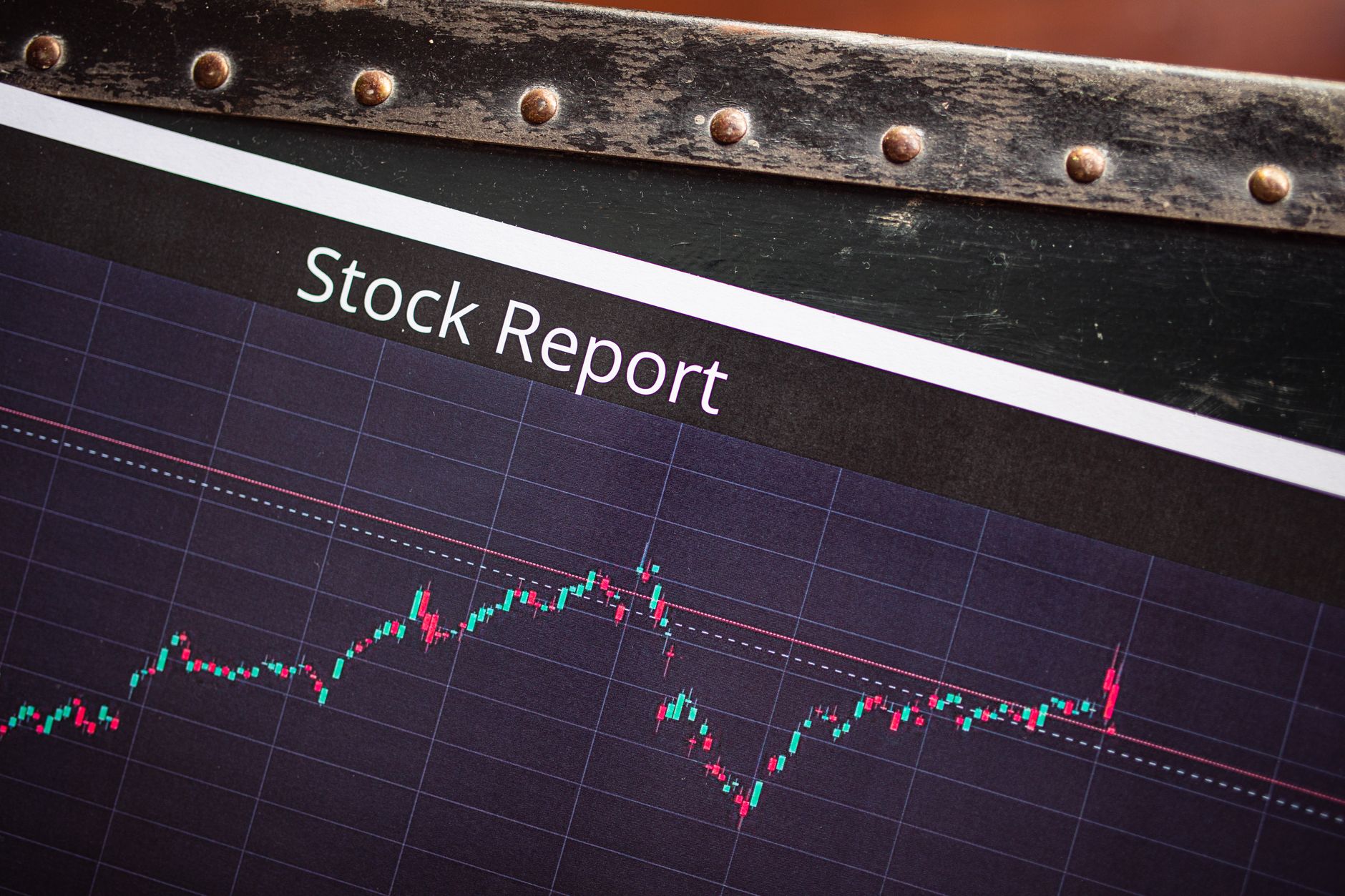
Indonesian stocks fall as concerns over MSCI’s downgrade return. This decline raises questions about the stability of the market and investor confidence.
What Caused Indonesian Stocks to Fall?
The recent decline in Indonesian stocks can be attributed to several interconnected factors that have raised concerns among investors.
- MSCI Downgrade Concerns: The return of fears surrounding a potential downgrade by MSCI has weighed heavily on market sentiment. Investors are anxious about how such a move could impact the attractiveness of Indonesian stocks in the global market.
- Economic Indicators: Recent economic data has also contributed to the downturn. Sluggish growth and inflationary pressures have led to a cautious outlook among investors.
- Global Market Trends: Broader trends in global markets, particularly in emerging economies, have added to the volatility. Investors are reacting to uncertainties stemming from geopolitical tensions and fluctuating commodity prices.
- Investor Sentiment: A general sense of apprehension has taken hold, prompting many to reassess their positions in Indonesian stocks amid fears of further declines.
These factors combined have led to a notable drop in Indonesian stocks, leaving many wondering if it marks the beginning of a more significant downturn.
Impact of MSCI Downgrade on Markets
The recent MSCI downgrade has sent ripples through the market, intensifying concerns among investors. As Indonesian stocks fall, the implications of this decision are becoming clearer. The downgrade signifies that Indonesian equities may no longer be considered part of the emerging markets elite, prompting a reevaluation of investment strategies.
Investors are particularly worried about:
- Capital Outflows: The downgrade could lead to a reduction in foreign investment, as funds may redirect their capital to countries with higher ratings.
- Market Sentiment: The perception of a weakened market can diminish local investor confidence, further exacerbating the decline in stock prices.
- Long-term Growth Prospects: A downgrade raises concerns about the overall economic stability and growth potential of Indonesia, which could deter future investments.
As the situation unfolds, stakeholders are closely monitoring the effects of the downgrade on Indonesian stocks and the broader economic landscape.
How Investors Can Navigate This Situation
As Indonesian stocks fall amid concerns related to MSCI’s downgrade, investors may find it challenging to navigate the turbulent market. However, there are several strategies that can help mitigate risks and seize potential opportunities.
- Diversification: Spreading investments across various sectors can reduce exposure to any single market downturn.
- Research: Staying informed about market trends, economic indicators, and company performance is crucial for making educated investment decisions.
- Long-term Perspective: Investors should focus on long-term goals rather than short-term fluctuations. This approach can help alleviate anxiety during volatile periods.
- Consult Financial Advisors: Seeking professional guidance can provide tailored advice and a clearer understanding of market dynamics.
By implementing these strategies, investors may be better positioned to weather the current climate, despite the challenges posed by falling Indonesian stocks.
Future Outlook for Indonesian Stocks
The future outlook for Indonesian stocks remains uncertain as investors grapple with recent developments. The decline in the market has raised questions about the sustainability of growth in Southeast Asia’s largest economy.
Analysts suggest that several factors will influence the trajectory of Indonesian stocks in the coming months:
- Global Economic Conditions: Fluctuations in global markets may continue to impact investor confidence.
- Domestic Policy Changes: The government’s fiscal and monetary policies could provide either stability or further uncertainty.
- Corporate Earnings: The performance of key sectors will play a crucial role in shaping market recovery.
- Investor Sentiment: The perception of risk will significantly affect buying and selling behaviors.
While some investors may view the current drop as an opportunity to buy at lower prices, others remain cautious. As the situation evolves, the outlook for Indonesian stocks will depend on how well the market navigates these challenges.
As analysts assess the implications of the recent downturn, many are questioning whether the Indonesian stocks fall signals a broader economic trend. Investors are left wondering how to navigate the market as Indonesian stocks fall continue to dominate the headlines.