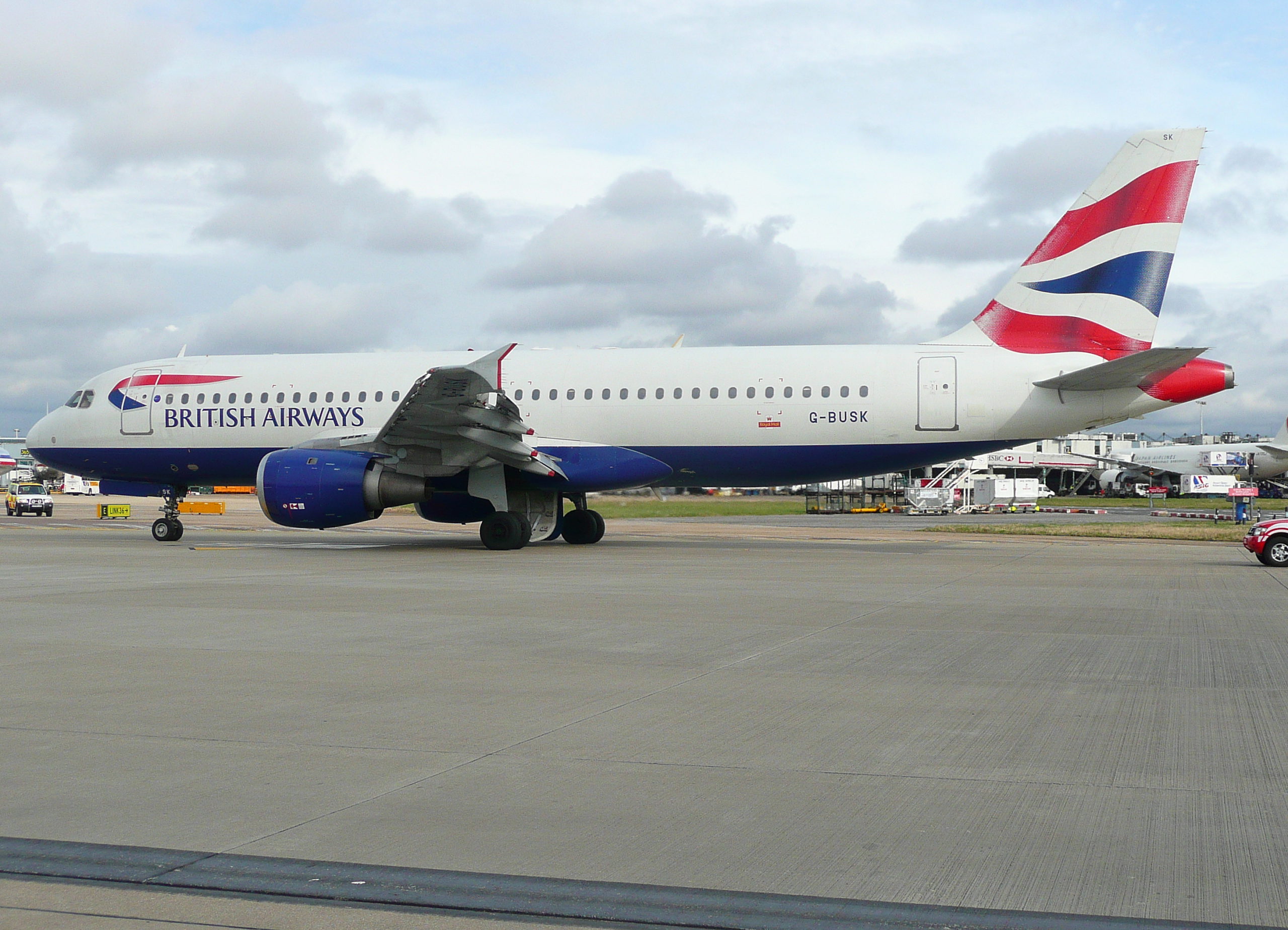
The British Airways emergency landing involved a flight to Chicago that had to return to Heathrow after dumping 30 tonnes of fuel.
Details of the Emergency Landing
On a recent British Airways flight bound for Chicago, an emergency situation unfolded shortly after takeoff from Heathrow Airport. The aircraft, a Boeing 777, experienced technical difficulties that prompted the pilots to declare an emergency shortly into the flight. In response to the situation, the flight crew quickly implemented safety protocols to ensure the well-being of all passengers aboard.
To safely return to Heathrow, the aircraft needed to reduce its weight significantly. As a result, approximately 30 tonnes of fuel were dumped over the Atlantic Ocean, a standard procedure during such emergencies. This fuel dumping is necessary to comply with landing weight limits and to ensure a safe approach and landing.
Passengers reported that the flight took off at around 3:30 PM but was forced to turn back just 20 minutes later. The flight landed safely at Heathrow, where emergency services were on standby. Fortunately, no injuries were reported, and passengers were later accommodated on alternative flights to Chicago.
The incident highlights the importance of quick decision-making and adherence to safety protocols during unexpected emergencies on commercial flights.
Impact on Passengers
The emergency landing of British Airways Flight to Chicago had significant repercussions for the passengers on board. As the aircraft prepared to return to Heathrow after declaring an emergency, the decision to dump approximately 30 tonnes of fuel was made to ensure a safe landing. This action, while necessary, caused considerable anxiety among those traveling.
Passengers reported feeling a mix of concern and relief as they learned about the situation. Many expressed their gratitude for the crew’s professionalism during a tense moment. The flight attendants worked diligently to keep everyone calm, providing updates and reassurance throughout the ordeal.
Upon landing, passengers were greeted by emergency services, which ensured that the situation was under control. While the aircraft suffered no damage from the fuel dump, the psychological impact on travelers was undeniable. Some reported feeling shaken and expressed their desire to speak with support staff after the incident.
Overall, the British Airways emergency landing highlighted the importance of safety protocols and the need for effective communication in times of crisis. Passengers left the plane with a newfound appreciation for the complexities of air travel and the potential challenges that can arise.
Fuel Dumping Explained
During the recent British Airways emergency landing, the aircraft was forced to dump approximately 30 tonnes of fuel. This maneuver is a standard safety procedure aimed at reducing the aircraft’s weight before landing. When a plane is overweight, it can complicate landing and potentially lead to structural damage.
Fuel dumping is typically executed during an emergency situation, allowing the aircraft to reach a safe landing weight. In this instance, the flight, which was bound for Chicago, returned to Heathrow shortly after takeoff due to an unspecified technical issue.
The process of fuel dumping involves the controlled release of fuel from the aircraft’s tanks. The dumped fuel disperses into the atmosphere, where it evaporates quickly, minimizing environmental impact. However, it is crucial for pilots to adhere to specific protocols to ensure safety during the operation.
This incident has raised questions about the protocols in place for aircraft emergencies and the potential impact on surrounding communities. Authorities monitored the situation closely to ensure that the fuel released did not pose any risk to the public.
Passengers onboard experienced distress, but the crew’s prompt actions ensured a safe return to the airport.
Response from British Airways
In response to the recent incident involving a British Airways flight to Chicago, the airline has issued a statement addressing the emergency landing and the subsequent fuel dumping. A representative from British Airways remarked, “The safety of our customers and crew is always our top priority. We are grateful for the professionalism of our flight crew and the support provided by air traffic control.”
The airline has confirmed that the aircraft, which was forced to return to Heathrow shortly after takeoff, safely landed without any reported injuries among the passengers or crew. British Airways emphasized that the decision to dump 30 tonnes of fuel was necessary to ensure a safe landing weight.
Furthermore, British Airways is currently cooperating with relevant authorities to investigate the situation thoroughly. They assured the public that they are committed to providing any necessary assistance to those affected by the emergency landing.
Passengers on board have expressed their gratitude for the quick and decisive actions taken by the crew during the episode. As the airline continues to review the incident, they remain focused on maintaining the highest safety standards in all their operations.
Safety Measures in Aviation
Safety in aviation remains a top priority for airlines worldwide. In light of the recent British Airways emergency landing, which involved the dumping of 30 tonnes of fuel, the importance of stringent safety measures is underscored. Airlines implement comprehensive protocols to ensure passenger and crew safety during unexpected situations.
- Regular Training: Flight crews undergo continuous training to prepare for emergencies, including scenarios that require quick decision-making.
- Aircraft Maintenance: Routine checks and maintenance are critical to ensuring that aircraft are in optimal condition, reducing the likelihood of technical failures.
- Emergency Procedures: Airlines have established clear emergency protocols that guide actions during in-flight incidents, such as the need for an emergency landing.
- Communication: Keeping passengers informed during emergencies is vital. Transparency about the situation helps alleviate anxiety and provides clarity.
Furthermore, regulatory bodies continuously assess and enhance safety standards, requiring airlines to adapt and innovate. As the aviation industry evolves, the lessons learned from incidents like the British Airways emergency landing will contribute to safer skies for all travelers.
The British Airways emergency landing was a necessary precaution to ensure the safety of all passengers on board. Following the incident, the airline confirmed that 30 tonnes of fuel were dumped to reduce the aircraft’s weight for landing.
By John Taggart from Sunbury on Thames, Middlesex via Openverse