

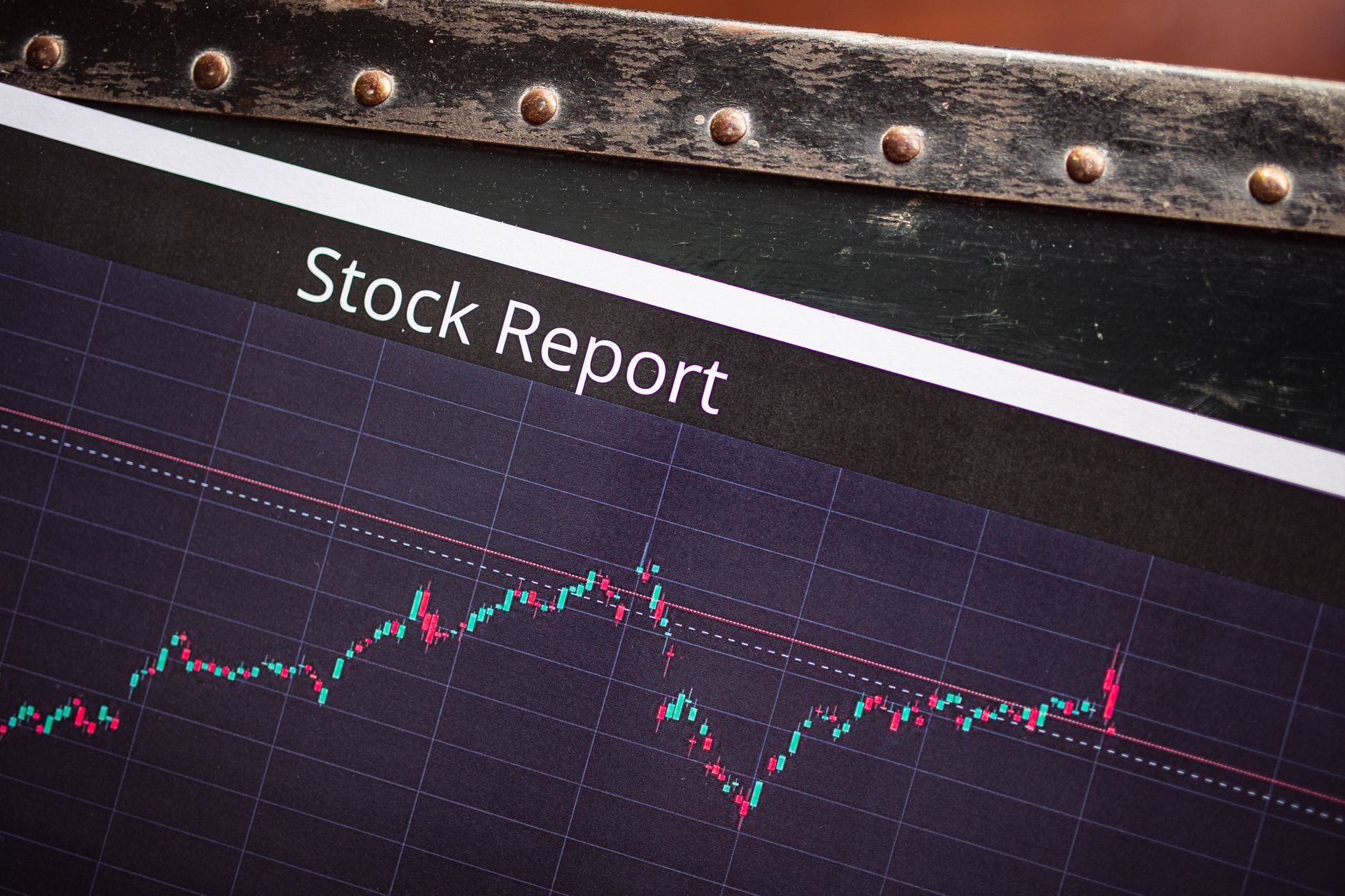
NSE vs BSE stocks are crucial for investors looking to make informed decisions. With the recent debut of the world’s largest derivative exchange on Dalal Street, the question arises: which stock should you buy?
Understanding NSE and BSE
The National Stock Exchange (NSE) and the Bombay Stock Exchange (BSE) are two major stock exchanges in India, playing a crucial role in the country’s financial markets. Understanding NSE and BSE stocks is essential for investors seeking to navigate these platforms effectively.
Both exchanges offer a wide range of investment opportunities, but they differ in several aspects:
- Market Capitalization: NSE holds a larger market share compared to BSE, making it more popular among traders.
- Trading Volume: NSE typically sees higher trading volumes, which can lead to better liquidity.
- Listing Standards: Both exchanges have distinct listing requirements that can affect stock selection.
Investors should consider these factors when deciding between NSE vs BSE stocks for their portfolios.
Recent trends in the stock market
Recent trends in the stock market indicate a growing interest among investors in both NSE and BSE stocks. As the world’s biggest derivative exchange has made its debut on Dalal Street, many are assessing which platform offers better investment opportunities.
Analysts suggest that while the National Stock Exchange (NSE) is often favored for its liquidity and faster execution times, the Bombay Stock Exchange (BSE) holds its ground with a more diverse range of stocks, particularly in smaller companies.
Investors are also focusing on the performance metrics of listed companies, with many seeking to capitalize on the volatility and potential growth within this competitive landscape.
As these trends evolve, adopting the right strategies for NSE vs BSE stocks will be crucial for maximizing returns and managing risks effectively.
Factors influencing stock performance
When considering NSE vs BSE stocks, several factors can significantly influence stock performance. Understanding these factors is crucial for making informed investment decisions.
- Market Sentiment: Investor perception can greatly impact stock prices. Positive news can drive prices up, while negative events may lead to declines.
- Economic Indicators: Data such as GDP growth, unemployment rates, and inflation can affect market trends and individual stock performance.
- Company Fundamentals: Key metrics like earnings reports, revenue growth, and market share play an essential role in assessing a stock’s potential.
- Regulatory Environment: Changes in government policies and regulations can create opportunities or challenges for specific sectors or companies.
Investors should carefully analyze these factors when navigating the landscape of NSE vs BSE stocks.
NSE vs BSE stocks: Key differences
When comparing NSE vs BSE stocks, several key differences emerge that can influence an investor’s strategy.
- Trading Volume: The National Stock Exchange (NSE) typically has a higher trading volume compared to the Bombay Stock Exchange (BSE), making it more liquid.
- Market Capitalization: NSE lists a greater number of companies, providing a wider selection for investors.
- Technology: NSE is known for its advanced electronic trading platform, which many traders find more user-friendly.
- Indices: The NSE’s Nifty 50 and BSE’s Sensex are two of the most tracked indices, with different compositions and methodologies.
Understanding these distinctions is crucial for making informed decisions in the NSE vs BSE stocks debate.
Investment opportunities after the debut
The recent debut of the world’s largest derivative exchange has opened up new investment opportunities for traders looking at NSE vs BSE stocks. Investors are keen to capitalize on the momentum created by this significant event.
With the integration of advanced trading technologies and increased liquidity, both the National Stock Exchange (NSE) and the Bombay Stock Exchange (BSE) are poised for growth. Here are some strategies to consider:
- Diversification: Spread investments across different sectors to mitigate risk.
- Research: Analyze company fundamentals and market trends before making decisions.
- Timing: Pay attention to market signals and global economic factors.
Investors who adapt to these strategies may find lucrative opportunities in the competitive landscape of NSE vs BSE stocks.
Expert opinions on stock choices
Experts in the financial sector have varied opinions on stock choices between NSE and BSE. According to renowned analyst Rajesh Kumar, the NSE vs BSE stocks debate often hinges on liquidity and accessibility. He notes that the NSE generally offers higher liquidity, making it a preferred choice for day traders. On the other hand, veteran investor Meera Singh emphasizes the importance of historical performance, urging investors to consider BSE for long-term investments due to its legacy and stability.
Additionally, financial advisor Arjun Patel suggests that market participants should analyze sector-specific performances on both exchanges before making decisions. He reiterates that understanding individual stock fundamentals is crucial, regardless of the exchange. Ultimately, the choice between NSE and BSE stocks should align with an investor’s risk tolerance and financial goals.
Future outlook for NSE and BSE
The future outlook for NSE vs BSE stocks remains promising as both exchanges continue to adapt to changing market dynamics. Analysts predict that the competition between the National Stock Exchange (NSE) and the Bombay Stock Exchange (BSE) will drive innovation and enhance trading efficiency.
Key factors influencing this outlook include:
- Increased participation: Retail investors are becoming more active, contributing to higher liquidity.
- Technological advancements: Both exchanges are investing in technology to streamline operations and improve user experience.
- Regulatory reforms: Ongoing reforms are expected to bolster investor confidence and attract foreign investments.
As market conditions evolve, investors should stay informed about the latest developments and consider a diversified approach when evaluating NSE vs BSE stocks for long-term gains.
Photo by RDNE Stock project on Pexels