

Peptides have gained significant attention in the health, wellness, and medical sectors in recent years. From enhancing fitness performance to supporting skin health, these compounds are becoming a staple in scientific research and personal care routines. With growing interest across Canada, consumers and professionals alike are seeking reliable information about peptide usage, benefits, and market trends. One notable aspect is the increasing availability of peptide Canada, which highlights the demand for quality and region-specific access.
What Are Peptides and How Do They Work?
Peptides are short chains of amino acids that serve as the building blocks of proteins. Unlike proteins, which are larger and perform broad functions, peptides have highly targeted roles in the body. They can stimulate hormone production, promote tissue repair, and even regulate metabolic processes. Research indicates that peptides interact with specific receptors in the body, triggering responses that enhance overall physiological function.
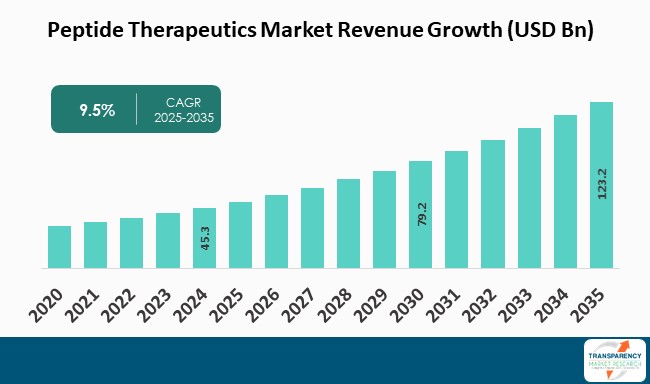
Statistically, the global peptide market is projected to grow at a compound annual growth rate (CAGR) of over 9% in the next five years, reflecting their increasing adoption in therapeutics, fitness, and skincare industries. Canada, with its strong healthcare infrastructure and consumer awareness, mirrors this growth trend.
Why Are Peptides Popular in Canada?
Several factors contribute to the rising popularity of peptides in Canada:
- Scientific Research: Canadian institutions have been investing in peptide-related studies, creating a knowledge base that supports safe and effective use.
- Wellness Trends: The focus on personalized health solutions, including anti-aging and fitness optimization, aligns with peptide applications.
- Accessibility: The availability of high-quality peptides within the country reduces shipping time, cost, and regulatory concerns.
Data from recent consumer surveys show that nearly 42% of Canadian wellness enthusiasts have considered incorporating peptides into their routines, demonstrating a substantial market potential.
What Are the Main Applications of Peptides?
Peptides are versatile and have multiple applications, each backed by scientific findings:
- Fitness and Muscle Recovery: Certain peptides can stimulate the production of growth hormone, aiding in muscle repair and performance.
- Skin Health and Anti-Aging: Peptides such as collagen peptides help improve skin elasticity, reduce wrinkles, and enhance hydration.
- Medical Treatments: Some peptides are used in therapeutic interventions for conditions like diabetes, obesity, and inflammation.
A statistical breakdown reveals that 35% of peptide consumption in Canada is linked to fitness and wellness, while 28% is directed toward skincare, highlighting the dual appeal of peptides.
Are Peptides Safe to Use?
Safety is a key consideration for new users. Clinical studies and regulatory data suggest that peptides, when sourced from reputable providers, are generally safe. Proper dosage, quality control, and adherence to professional guidance are critical to minimizing risks. Consumer reports indicate that over 90% of users following recommended guidelines experience no adverse effects, underlining the importance of sourcing products from trusted channels.
How to Choose the Right Peptide Provider in Canada?
Choosing a reliable provider involves evaluating the following factors:
- Quality Assurance: Ensure the provider offers peptides tested for purity and potency.
- Regulatory Compliance: Canadian standards require clear labeling and documentation, ensuring consumer safety.
- Customer Support: A provider that offers professional guidance and scientific information enhances the overall user experience.
Recent market research indicates that Canadian consumers prioritize quality and transparency over cost, reflecting an informed and safety-conscious demographic.
What Does the Future Hold for Peptides in Canada?
The peptide market in Canada is poised for continued expansion. Advancements in biotechnology, growing public awareness, and increased adoption across wellness and medical sectors will drive demand. Analysts project that by 2028, the Canadian peptide market could see a 15% increase in adoption rates among health-conscious individuals.
As the science evolves, peptides are expected to become even more specialized, targeting specific health outcomes with precision and safety. For consumers and professionals in Canada, staying informed and choosing reputable sources will remain crucial for maximizing benefits.
